Edgy Organism
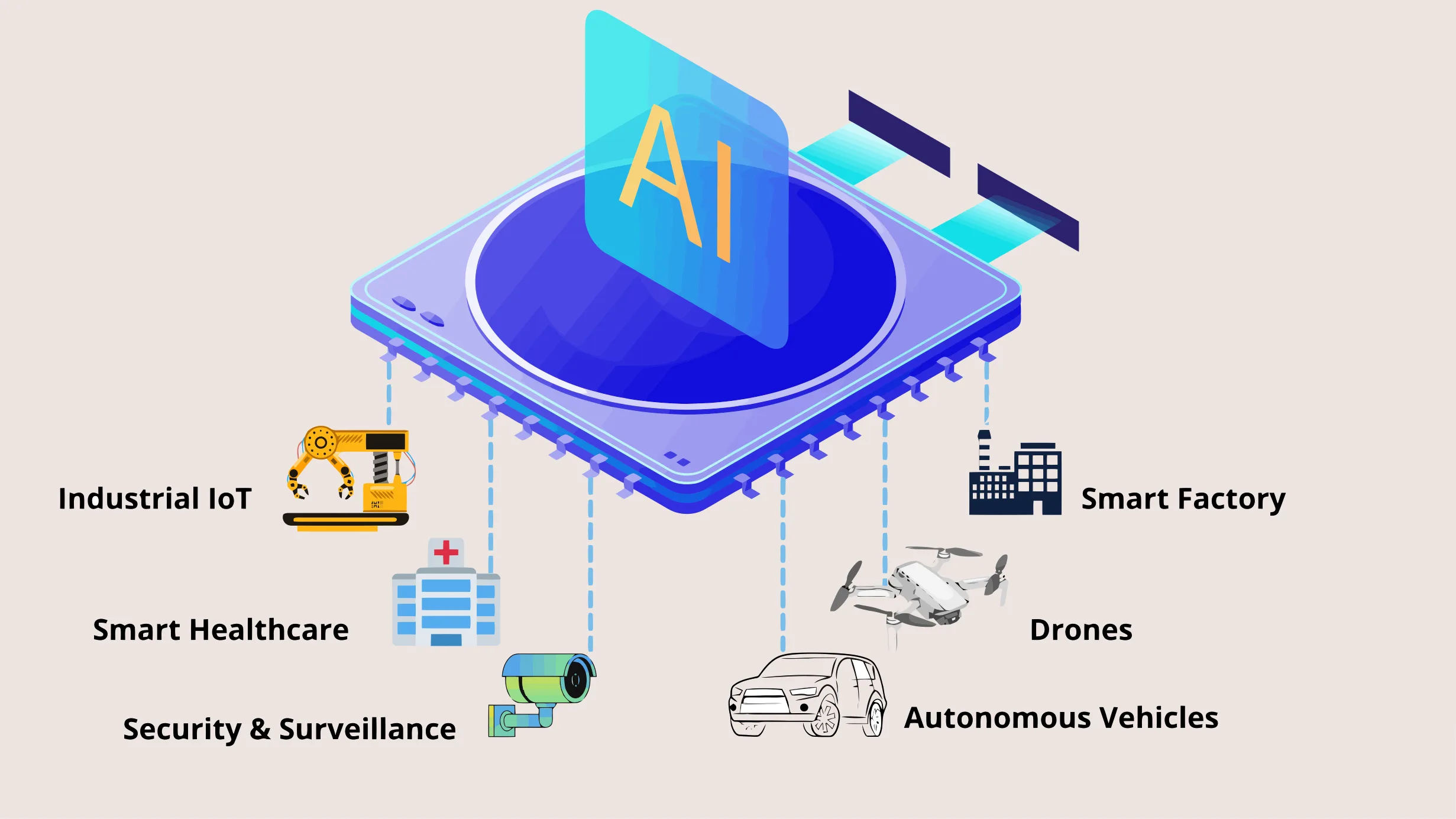
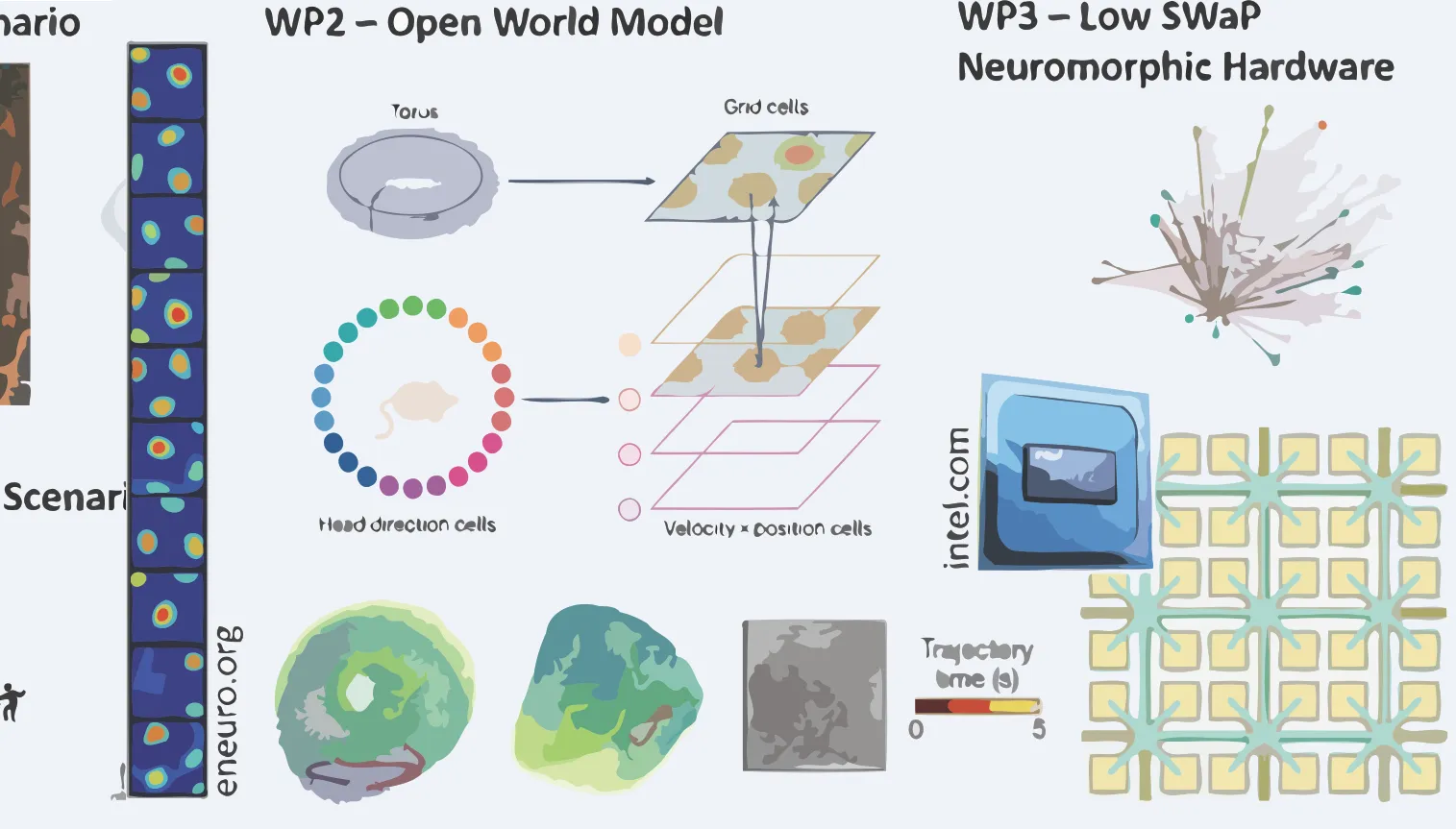
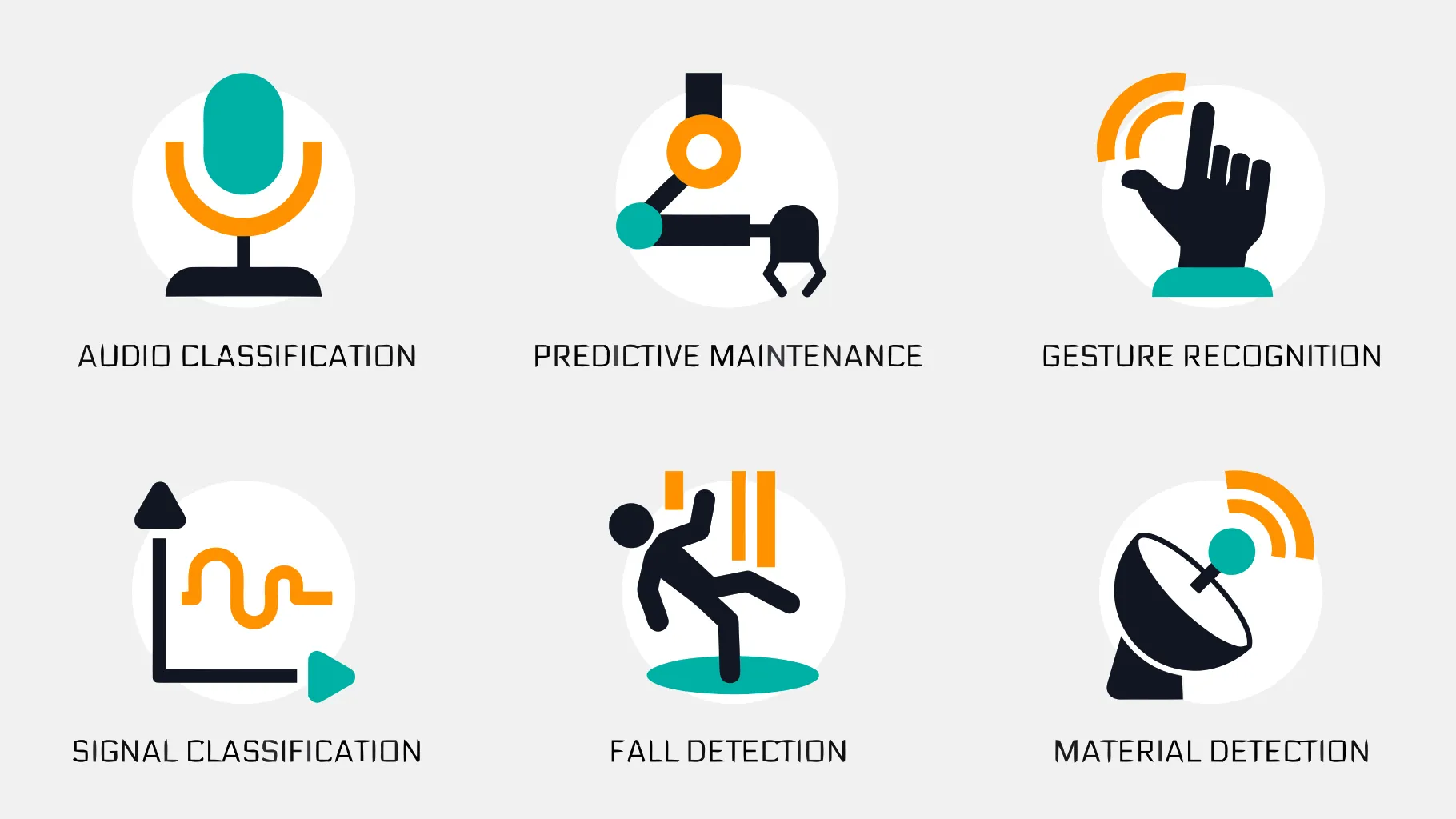
This project creates low-power sensing systems using spiking neural networks to detect threats in public spaces.


Coordinates UK research on edge AI resilience, focusing on cyber-disturbances, data quality, and time-critical applications.
This project develops a multi-model AI system to accurately identify and count wildlife in camera trap images.
This project develops tangible interfaces to assist young people with neurodiversity to manage online harms.
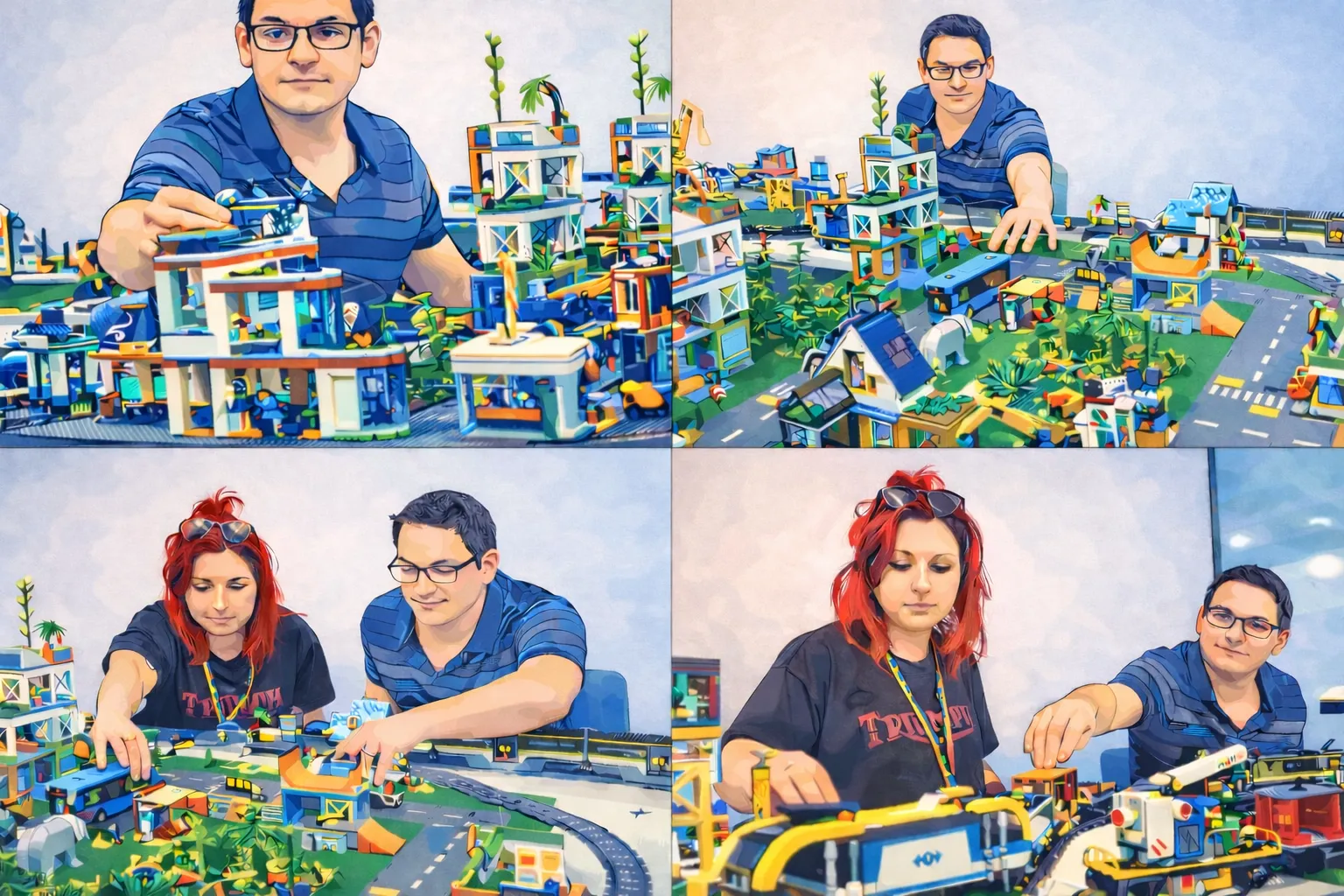
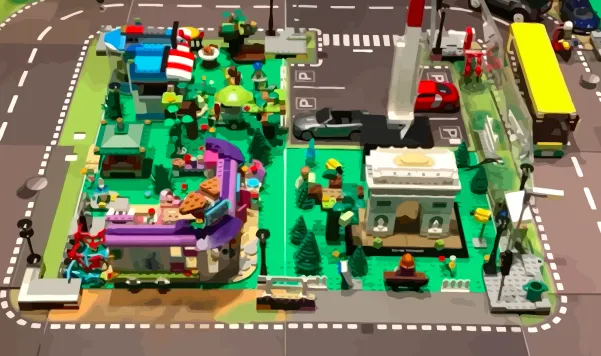
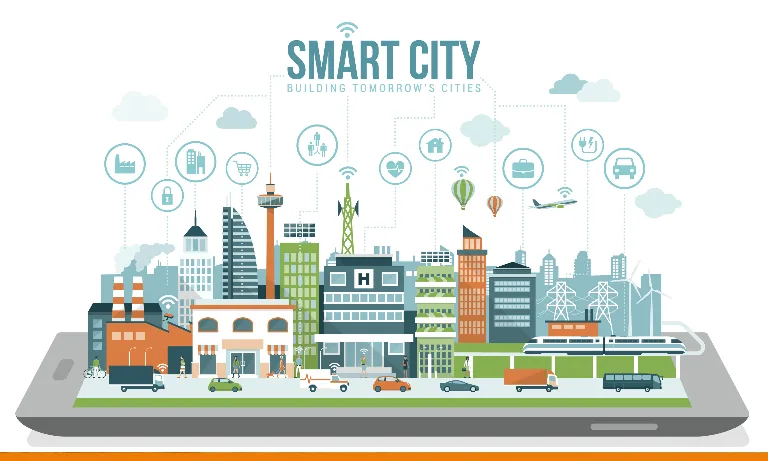
This project develop an augmented reality-based Smart City demonstrator using Lego towards public engagement
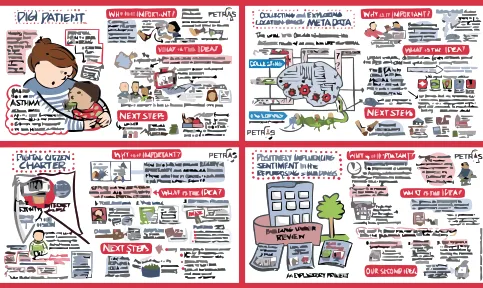
Cardiff’s PETRAS regional showcase brought researchers, industry, and policymakers together to share “Connected Spaces” projects and identify future collaborations.
Provides an isolated lab of 170+ smart home devices connected through openHAB for experimentation, data collection, and cyber-physical anomaly detection research.
Commercialises the CASPER cyber-physical anomaly detection work into a product proposition through the UK CyberASAP accelerator.
Co-creating an Edge Analytics course with partners in the UK and India to equip engineers with skills in machine learning and IoT for edge devices while building long-term academic collaboration.
Integrates CASPER anomaly detection research with Thales UK’s autonomous logistics platform to support resilient decision making during UGV missions.
Builds a linked-data observatory and analytics platform to support forest conservation, community engagement, and scientific research.
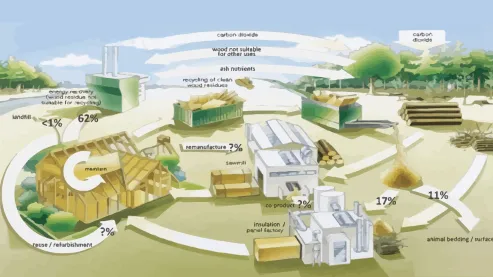
Investigates IoT and data-driven approaches to enable circular supply chains in construction, helping the built environment meet net-zero goals.
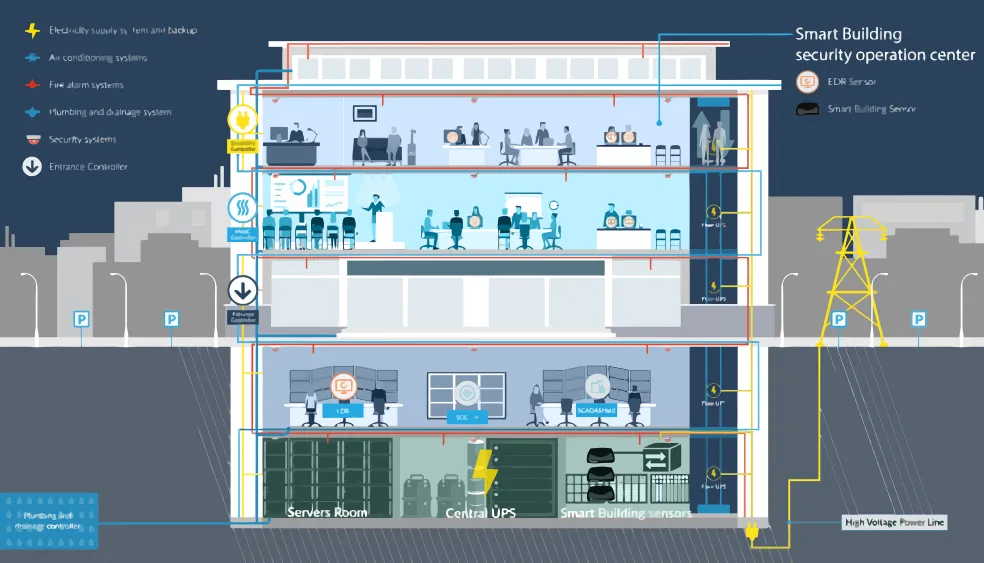
Explores how to add layers of resilience to smart homes and offices by complementing traditional systems with independent sensing and analytics.
Proposes a secondary IoT sensor layer that monitors physical signals in buildings to uncover cyber attacks that evade traditional network monitoring.
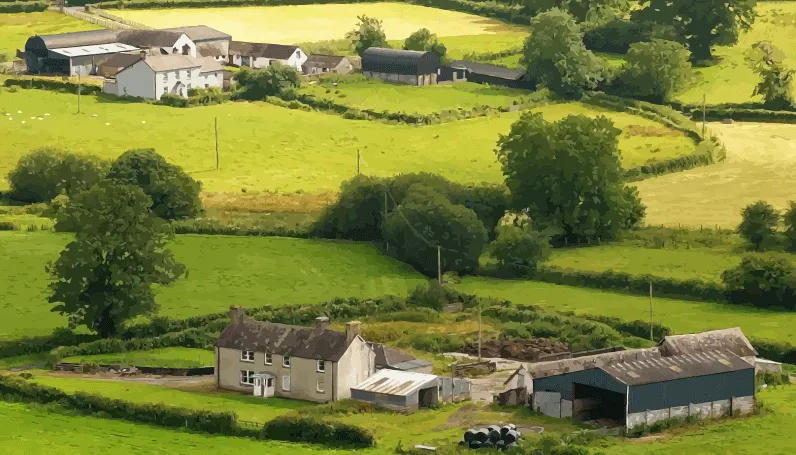
Trials immersive tourism and farming security services across rural Monmouthshire and Blaenau Gwent, leveraging 5G, edge analytics, and cyber security to grow the local economy.
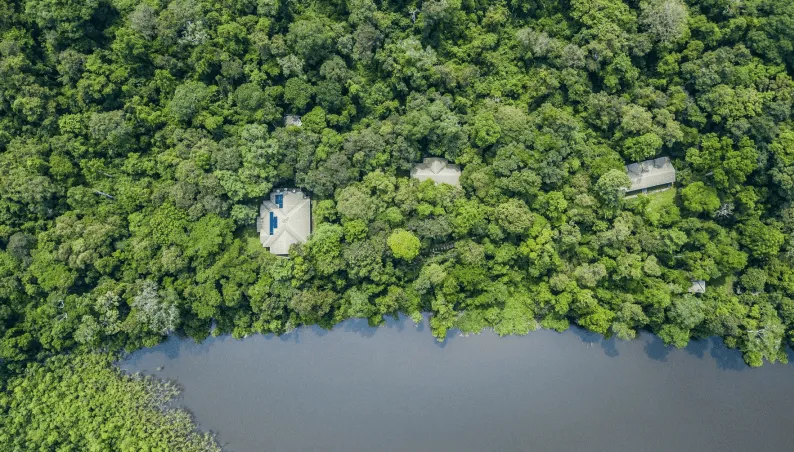
Designing resilient sensing and communications infrastructure for Sabah’s Lower Kinabatangan Wildlife Sanctuary so conservation teams can gather data without relying on constant connectivity.
Building semantic, on-demand data offerings for smart city marketplaces so consumers buy exactly the IoT data they need while reducing bandwidth and pricing friction.
Protecting critical infrastructure by using explainable AI at the edge to analyse data flows and detect vulnerabilities across industrial IoT systems.
Establishing a reconfigurable edge-computing testbed of Raspberry Pi and Jetson devices to explore latency-sensitive analytics, communications, and cybersecurity scenarios across campus spaces.
Develops modular IoT training programmes for diverse learner groups—from kids to makers—covering long-lived principles alongside rapidly evolving tools.
Develops privacy-by-design guidelines and assessment methodology to help IoT software engineers incorporate privacy awareness during application design.
Builds the Sensing-as-a-Service model to enable data trading between IoT data owners and consumers, unlocking siloed datasets for broader value.
Explores fog and edge computing architectures for IoT, evaluating distributed analytics platforms and their applications.
Explores how natural-language sticky notes can act as end-user programming for smart homes, bridging human-written reminders and IoT automation.
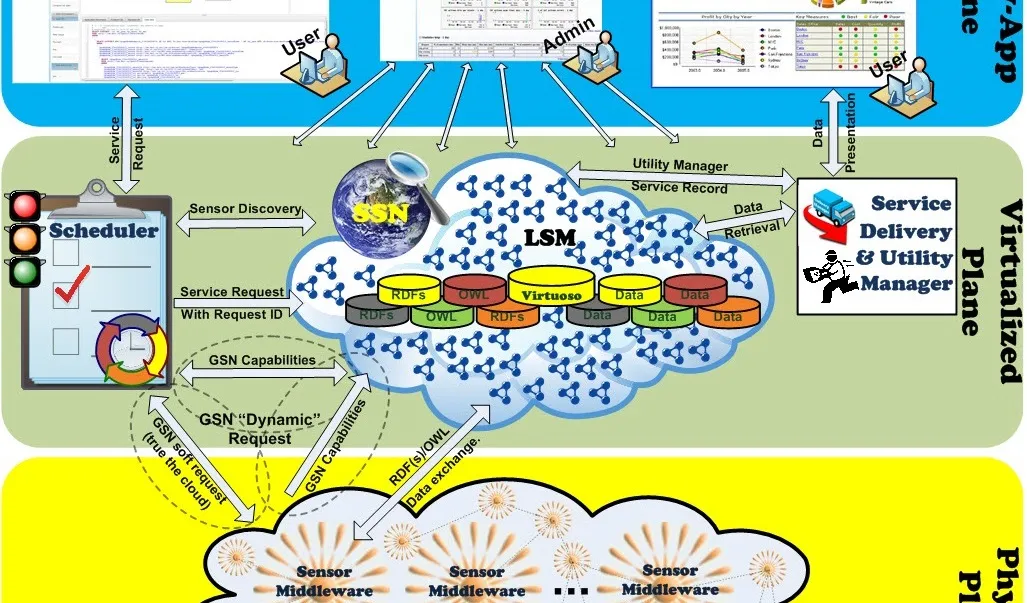
OpenIoT delivers an open-source IoT middleware that abstracts heterogeneous sensors and services, enabling sensing-as-a-service deployments across cloud environments.