Event Cameras for Sensing Smart Build Environments
Project Overview
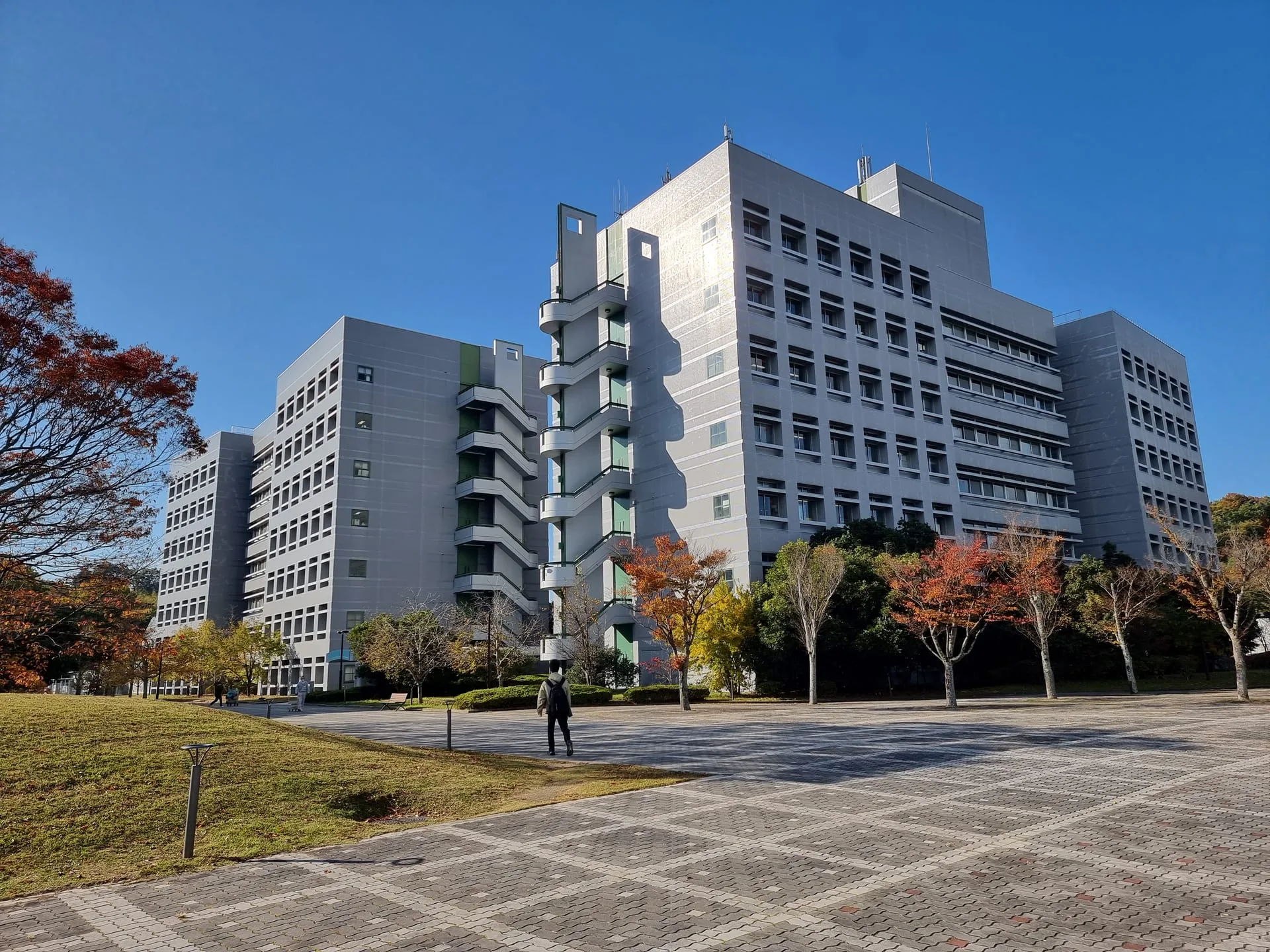
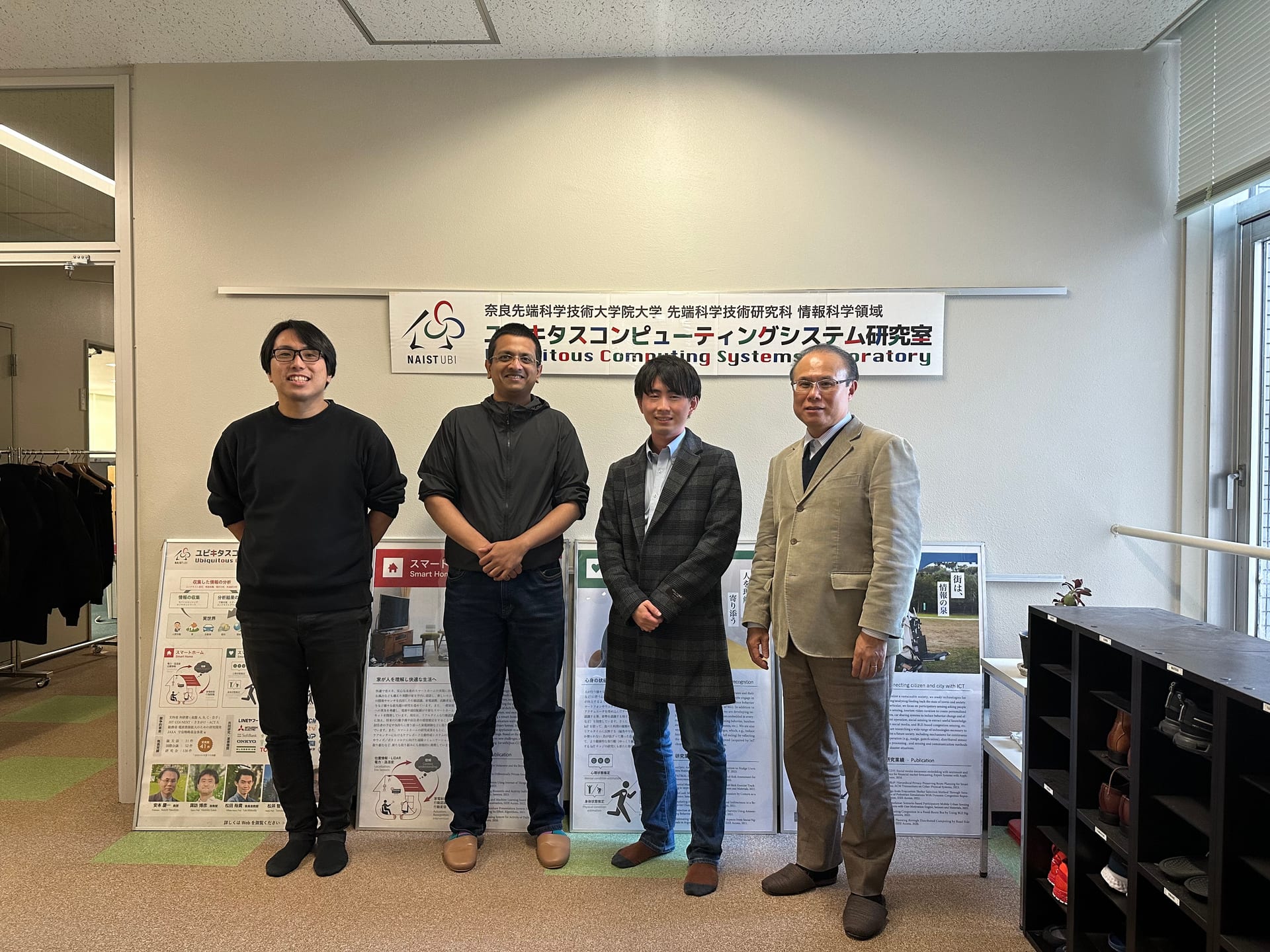
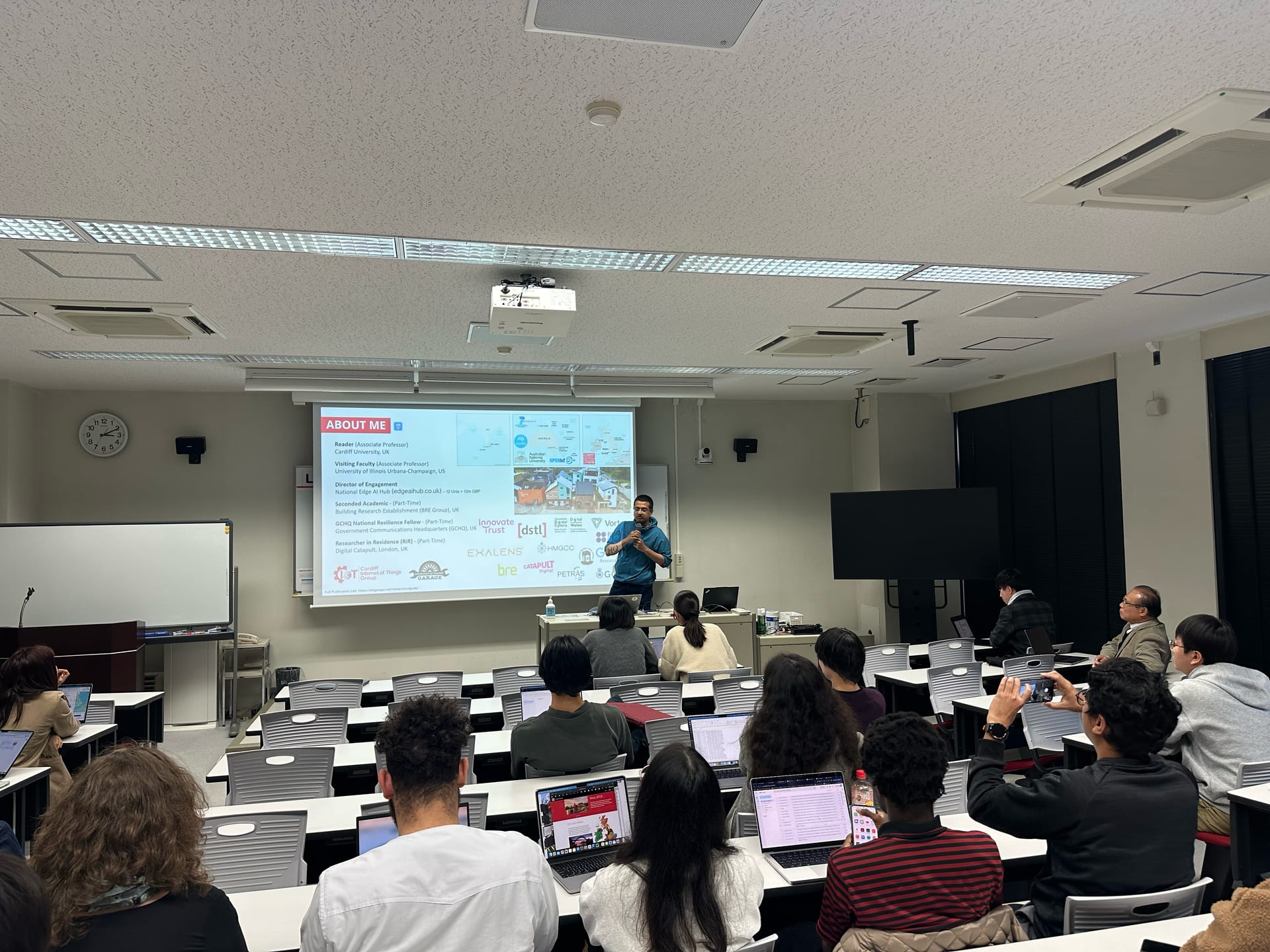
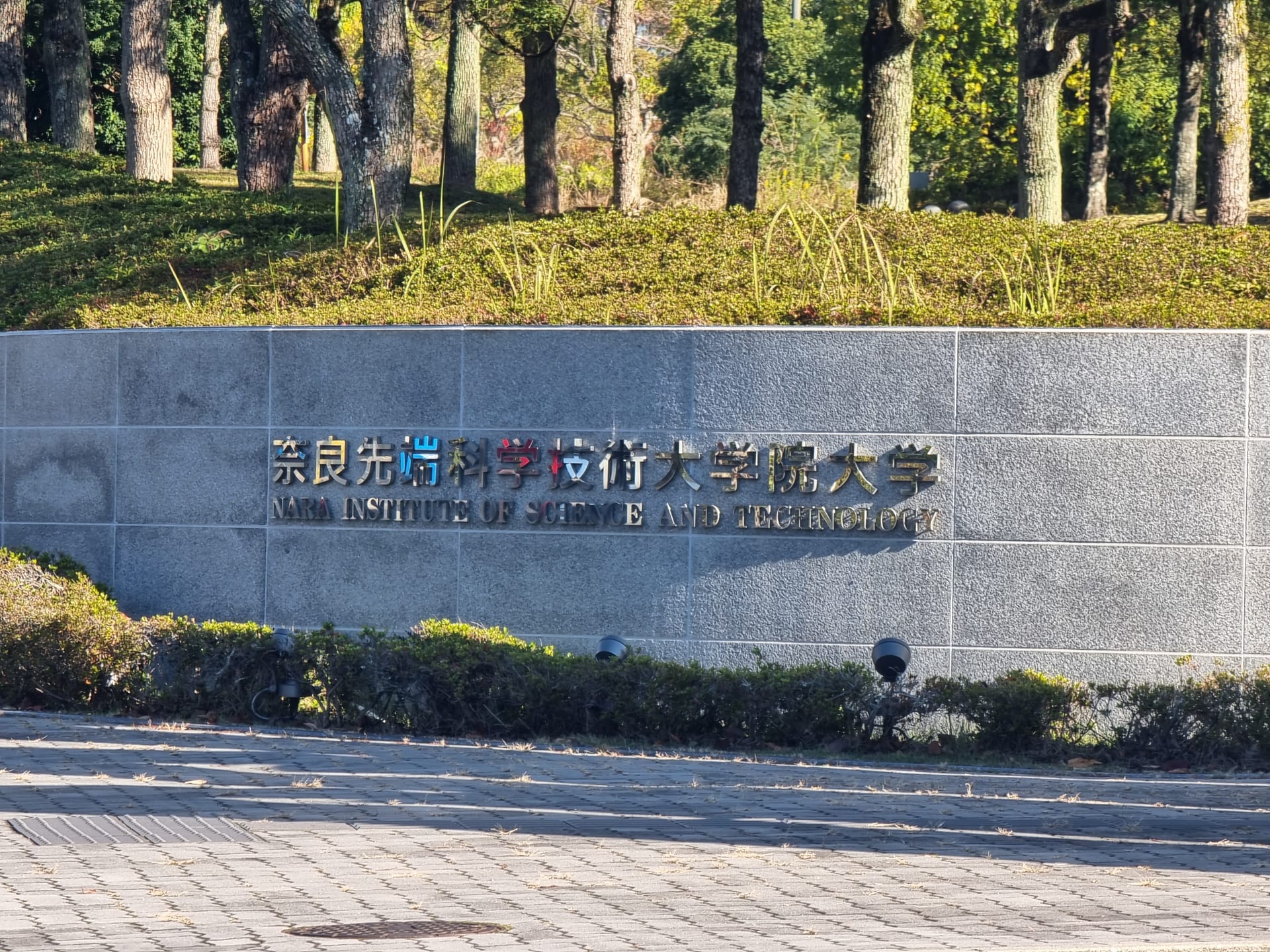
This project establishes a research collaboration between Cardiff University's IoT Research Group and the Ubiquitous Computing Systems Laboratory (UBI-Lab) at the Nara Institute of Science and Technology (NAIST) in Japan, focused on the use of event-driven cameras and neuromorphic computing for privacy-preserving, low-power sensing in smart home and smart building environments. The collaboration involves a two-week research visit consisting of workshops, brainstorming sessions, invited talks, tutorial sessions, and a hybrid seminar where students and faculty from both groups present their research. The teams are building datasets to support neuromorphic object detection and classification techniques across smart home and smart building use cases, and exploring how event-driven cameras can be incorporated into different sensing applications while preserving occupant privacy and minimising energy consumption.
The collaboration explores how event-driven cameras and neuromorphic computing capabilities can be incorporated into smart home and smart building applications to preserve privacy and enable low-power sensing. Unlike conventional frame-based cameras, event-driven cameras only capture changes in the scene, generating sparse data streams that inherently protect privacy while consuming significantly less power. The teams are creating datasets for different use cases across smart homes and smart buildings to support neuromorphic object detection and object classification techniques.
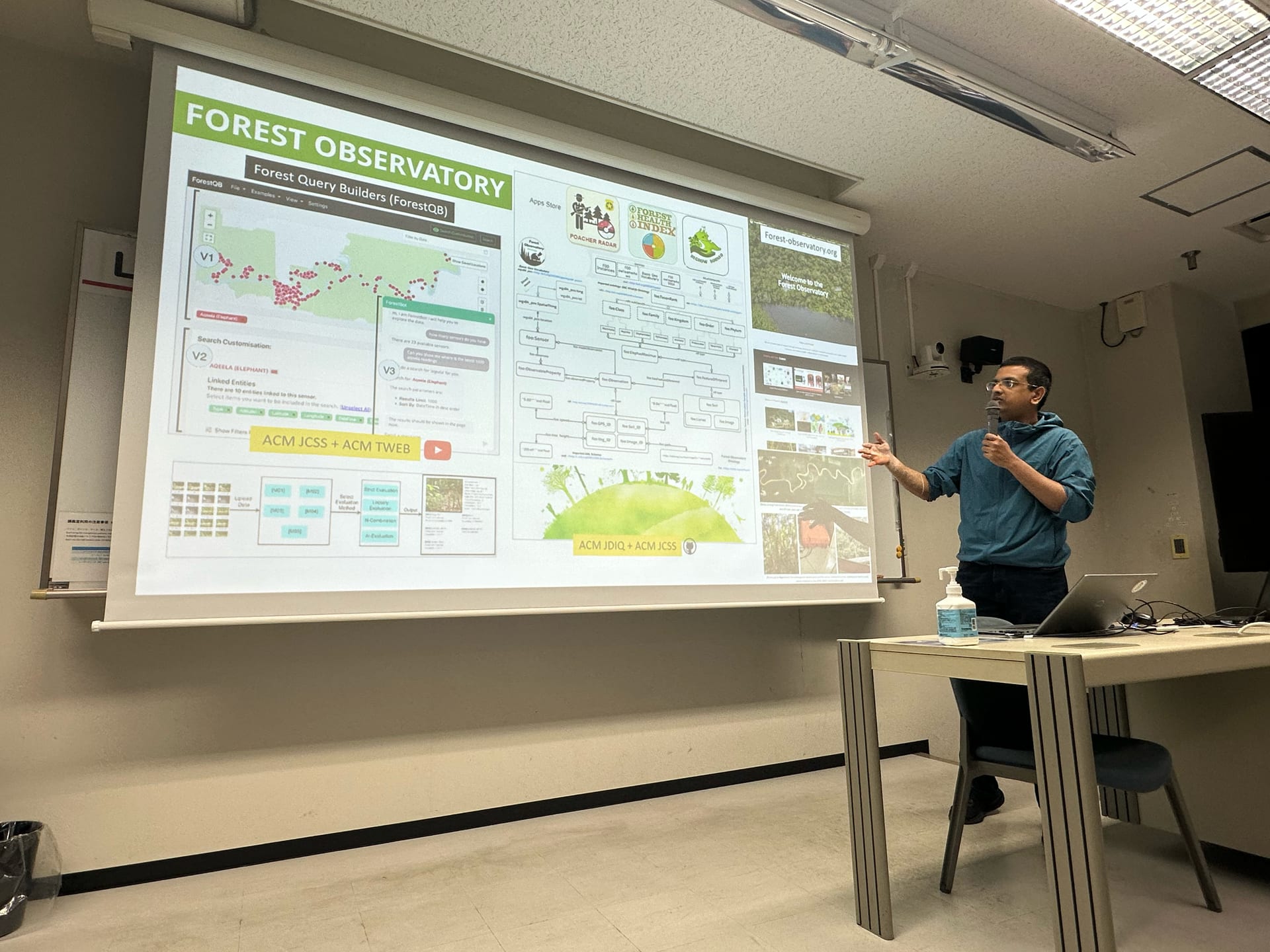
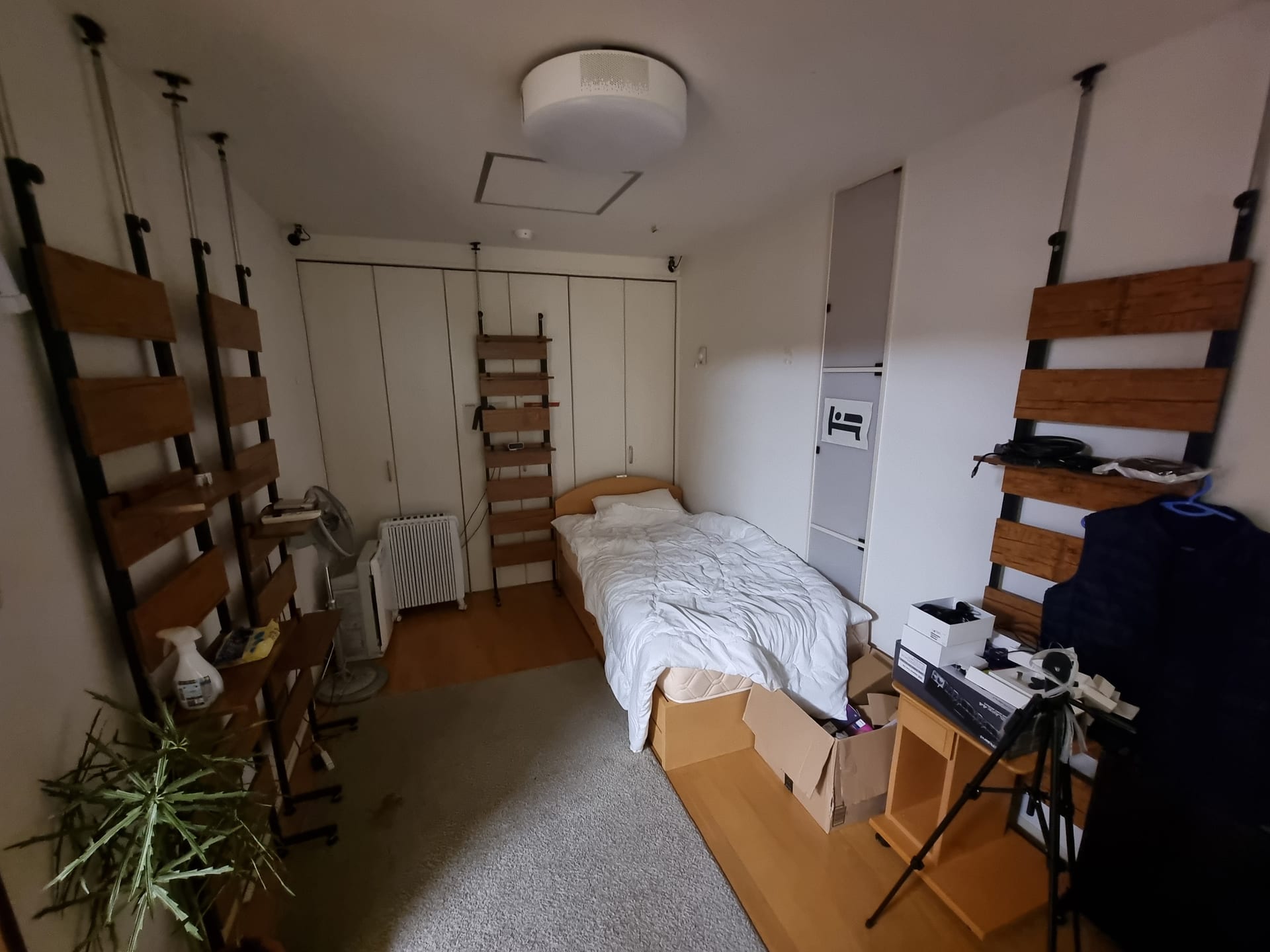
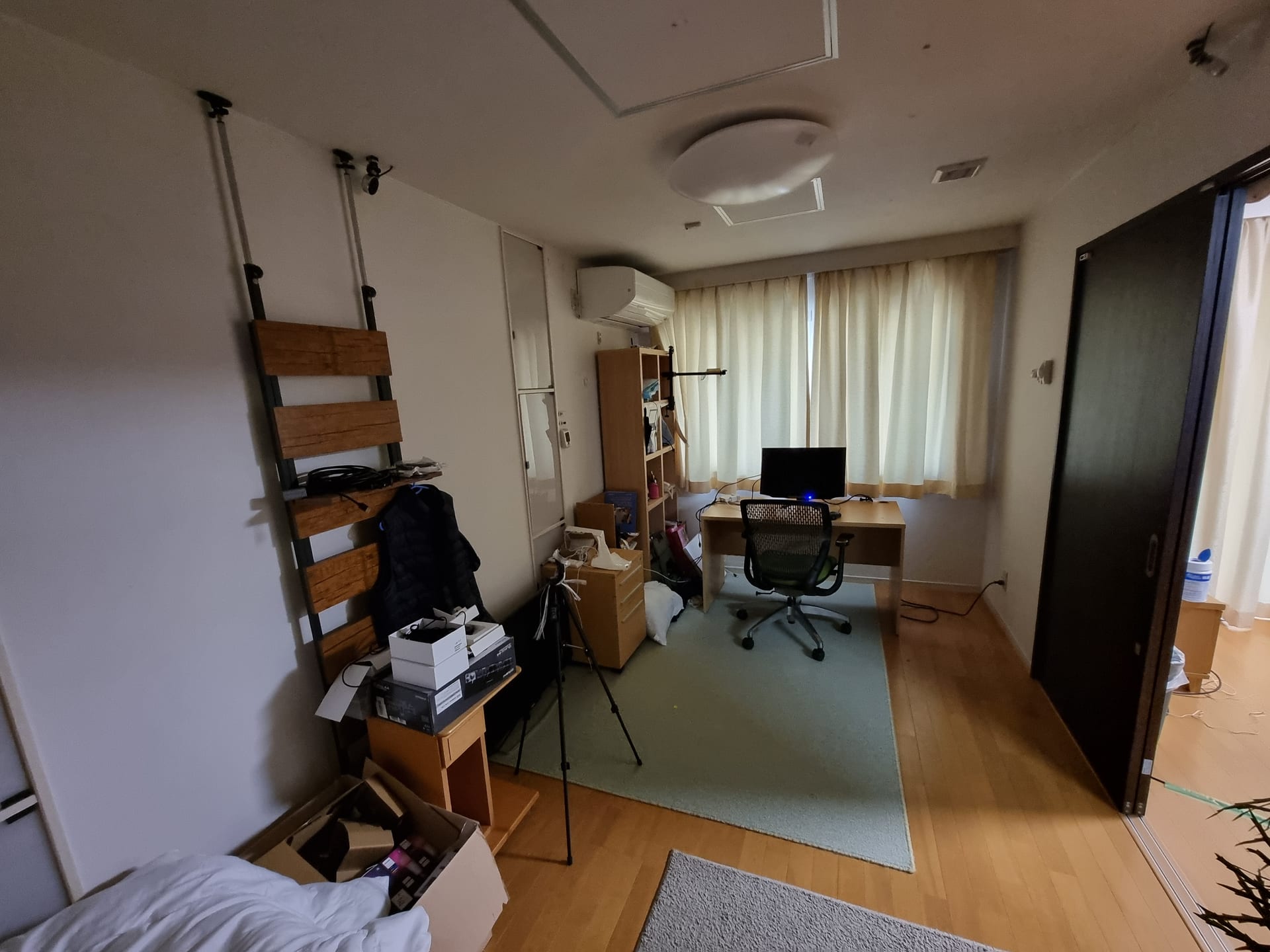
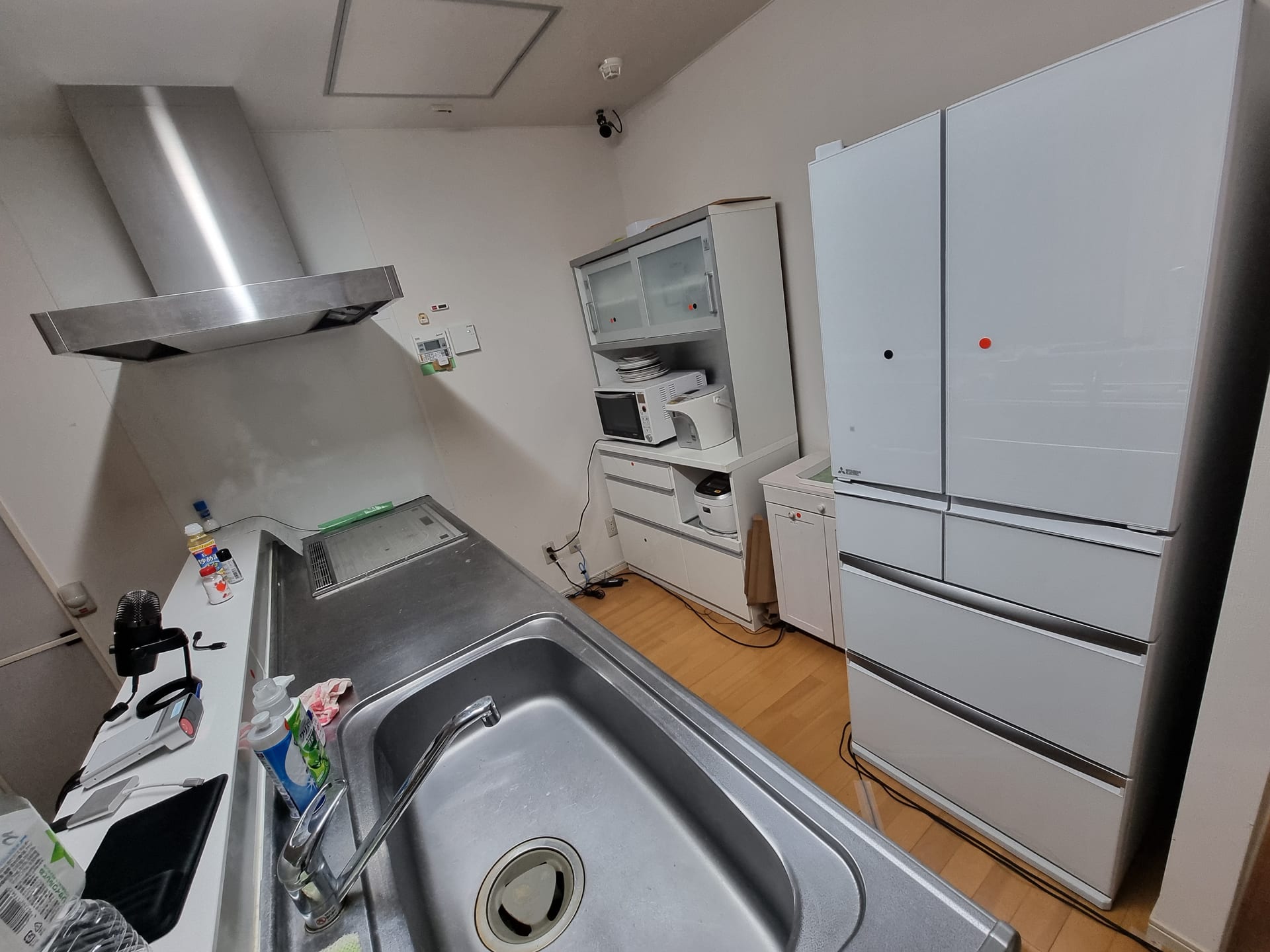
During the two-week visit, Charith Perera delivered invited talks and tutorial sessions at NAIST, and both groups conducted brainstorming workshops to identify joint research directions. The collaboration also explored mechanisms to share testbeds and datasets — Cardiff’s smart home lab with 150 IoT devices and smart building living lab with 34 sensor nodes, alongside UBI-Lab’s testbeds — as well as co-development of IoT teaching materials and joint supervision of PhD students.
Research Visit Photos
Team