Low Power IoT Infrastructure for Harsh Environments
Project Overview
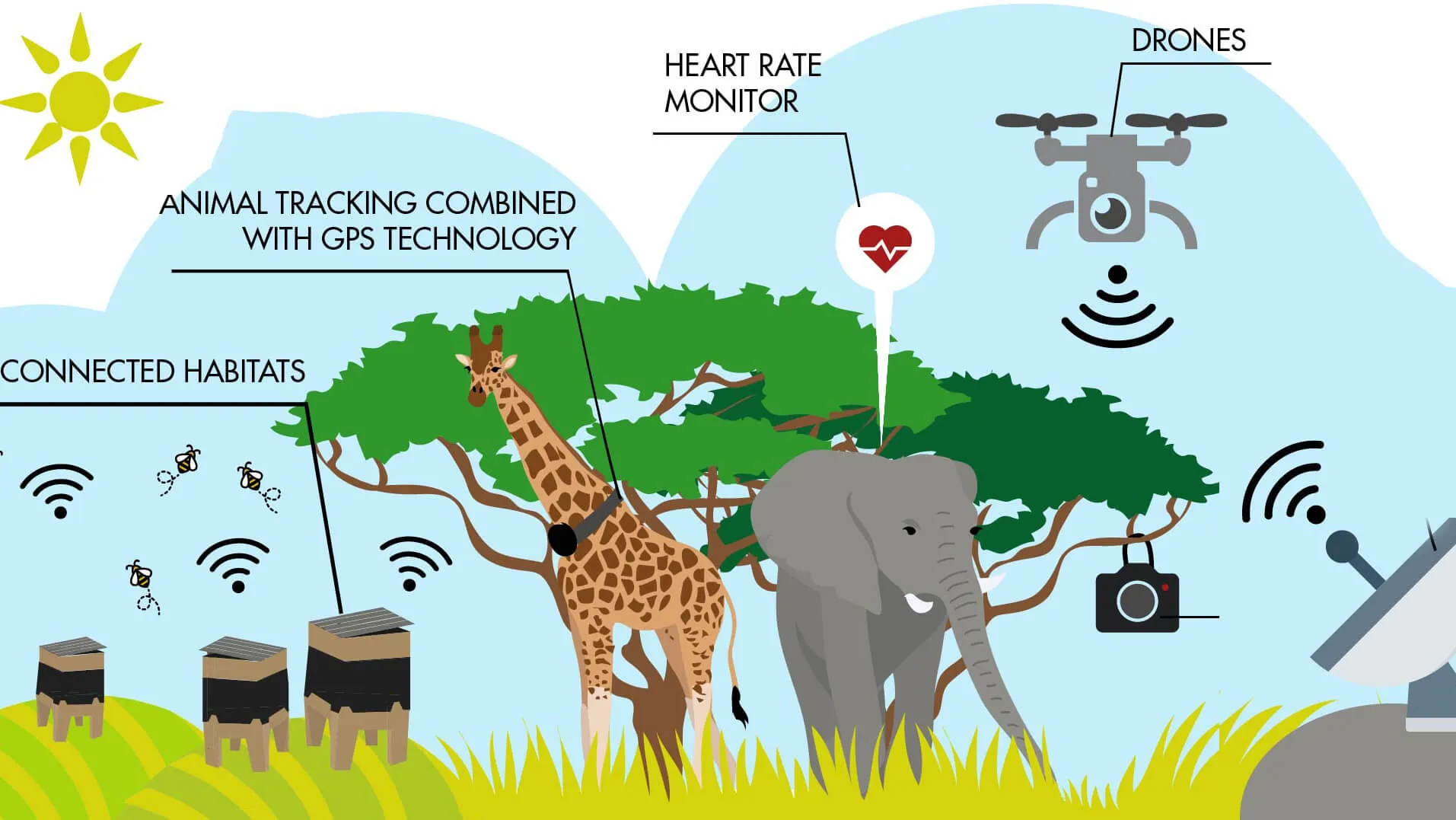
Remote wildlife monitoring in dense tropical environments poses severe challenges for wireless communication, energy management, and sensor network reliability. This project explores low-power digital transmission techniques capable of sustaining remote sensing networks in the harsh jungle conditions of the Lower Kinabatangan Wildlife Sanctuary in Sabah, Malaysian Borneo. The concept demonstrator enables rangers to monitor animal traps, detect unauthorised vehicles, and collect environmental data without frequent battery maintenance or physical site visits. The research addresses several key technical areas: trap activation detection using weight-based or bait-triggered mechanisms to ensure animal safety without regular physical inspection, and poacher tracking through sensor networks that monitor unauthorised activities including vehicle detection after nightfall using vibration sensors, sound detection, or automatic number plate recognition technology.
Dense jungle communication is the primary research focus, addressing reliable data transmission in challenging radio frequency environments where foliage, humidity, and terrain severely attenuate signals. Remote battery monitoring through low-bandwidth heartbeat messages that report camera trap battery status on user-defined cycles complements the communication infrastructure, ensuring the network remains operational with minimal human intervention.
The overarching goal is to orchestrate energy-efficient and secure communications that deliver trustworthy data despite harsh RF conditions. This work contributes to wildlife conservation and anti-poaching efforts in one of Southeast Asia’s most biodiverse habitats, demonstrating how low-power IoT infrastructure can support environmental protection in remote and challenging terrain.
Field Visit Photos



Team