Technical Report
Sustainable Internet of Things Infrastructure Towards Efficient Wildlife Conservation: Challenges and Research Directions
Cardiff University Technical Report, 2019.
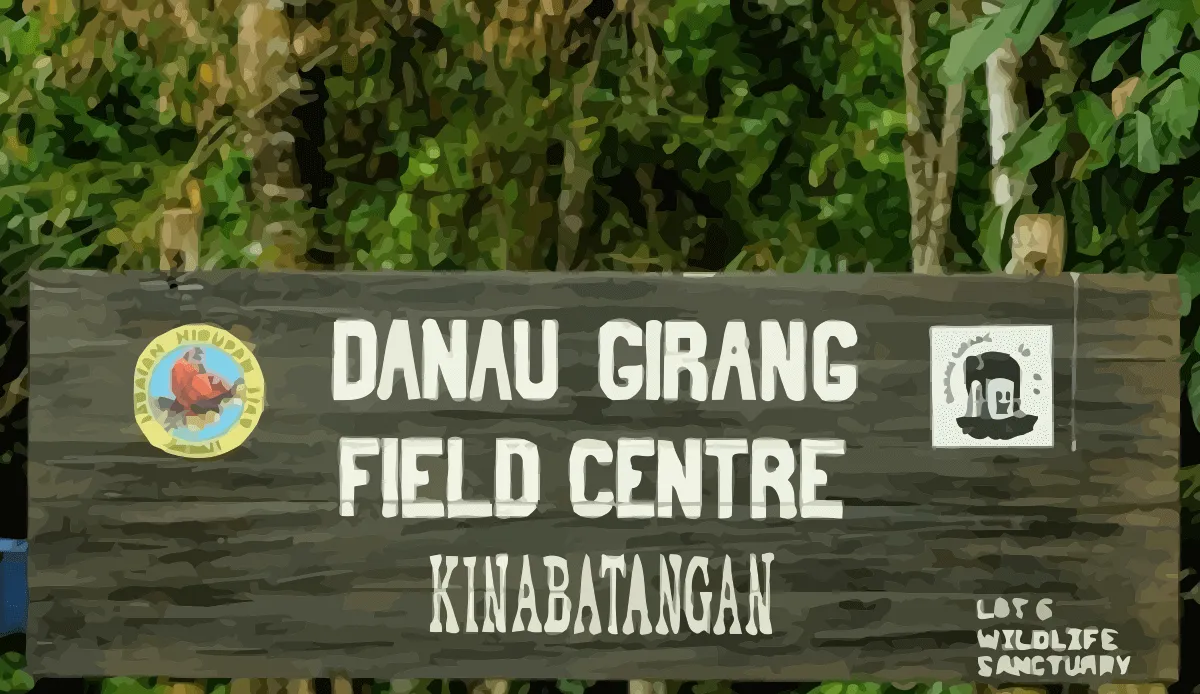
The Lower Kinabatangan Wildlife Sanctuary in Sabah, Malaysian Borneo, lacks the connectivity and power infrastructure needed for conventional cloud-centric analytics, presenting significant challenges for conservation monitoring. This project maps the requirements for a sustainable Internet of Things architecture capable of supporting automated camera trapping, environmental sensing, poaching alerts, and asset tracking in remote tropical forest environments. The research identifies key technical challenges including energy harvesting for sensor nodes, low-power wide-area network communication using LoRaWAN, ruggedised enclosure design through 3D printing, and data management strategies that function without constant connectivity. Working in collaboration with the Danau Girang Field Centre, VortexIoT, and The Things Network, the project documents research directions for bioscience researchers, wildlife officers, and law enforcement agencies operating in these harsh conditions.
The forest environment presents unique challenges that demand purpose-built infrastructure. High humidity, dense vegetation, and limited access to electrical power mean that off-the-shelf IoT solutions are inadequate. The research addresses these constraints by identifying specific design requirements for sensor hardware, communication protocols, and data management approaches suited to tropical forest deployments.
The outcomes include a technical report outlining infrastructure requirements and design recommendations. The report covers the deployment of resilient IoT sensing and communications systems in wildlife sanctuaries. This work was funded by Cardiff University and the Global Challenges Research Fund as part of efforts to address sustainable development challenges in biodiversity-rich developing regions.










Cardiff University Technical Report, 2019.