Digitizing Sticky Notes
Project Overview
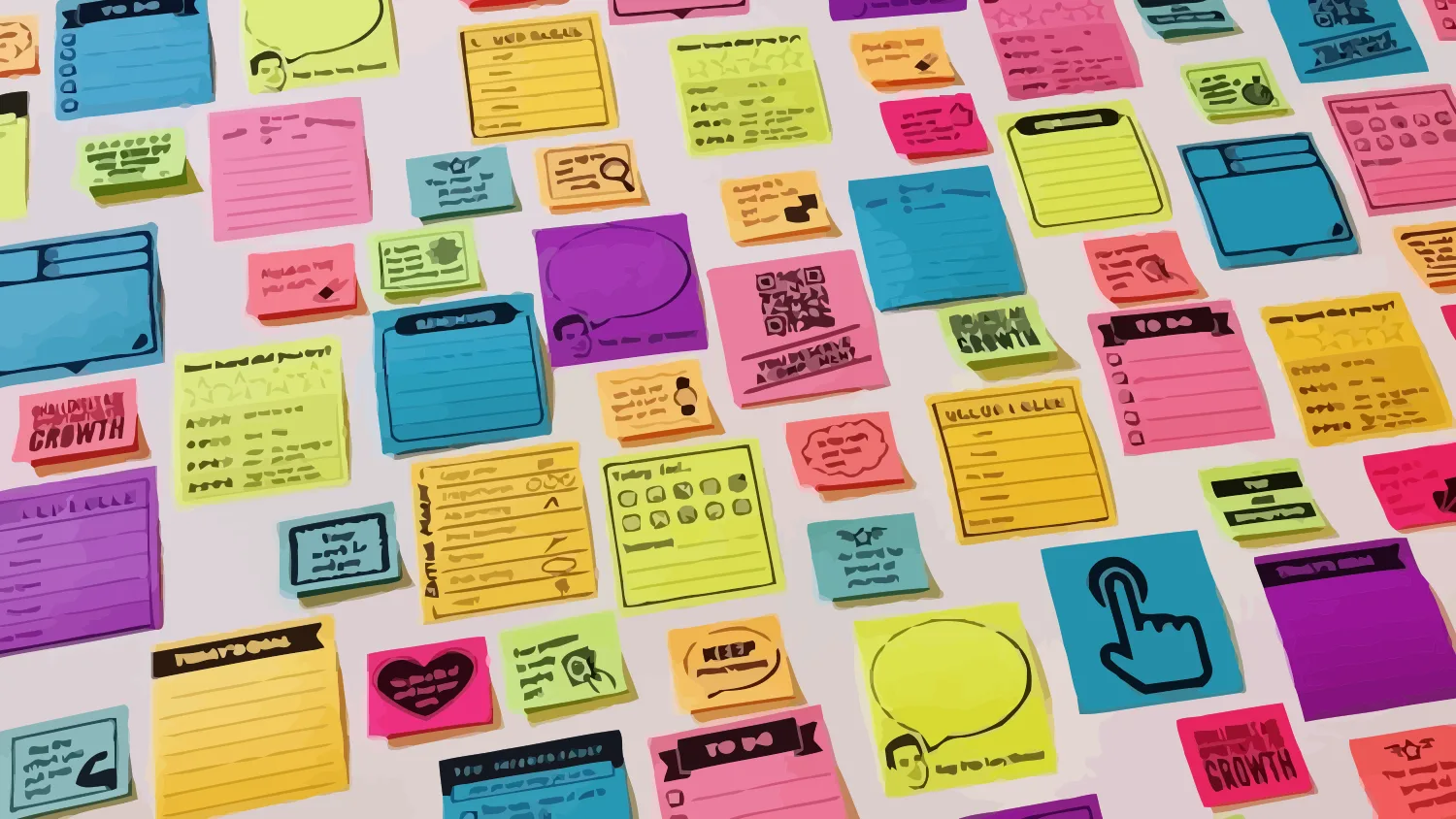
Smart homes promise to automate everyday tasks, yet programming these environments remains challenging for non-experts who lack traditional software development skills. This project investigates how natural language instructions, written in the familiar form of sticky notes, can bridge the gap between human intent and IoT device behaviour. Researchers conducted an experiment where participants wrote sticky notes specifying future actions in a domestic setting. These notes targeted three distinct audiences: themselves, other people, or computer agents. The analysis examined linguistic features, communication strategies, and informal visual language used across these contexts, revealing systematic differences in how people formulate instructions depending on the intended recipient. Notes written for computer agents adopted more structured and precise language, while notes for human recipients relied on shared context and implicit knowledge.
By understanding how people naturally express instructions, the findings offer practical design guidance for building end-user development interfaces. These interfaces can make smart home programming accessible to everyone by leveraging familiar notation styles rather than requiring users to learn formal programming syntax or complex rule-building tools.
The work contributes to the broader field of end-user development for the domestic Internet of Things. It provides empirical evidence that natural notation systems can serve as an effective entry point for non-technical users to configure connected environments, demonstrating that the familiar format of sticky notes can meaningfully lower the barrier to smart home automation.
Team



Funding