
DCMS Startp Accelerator
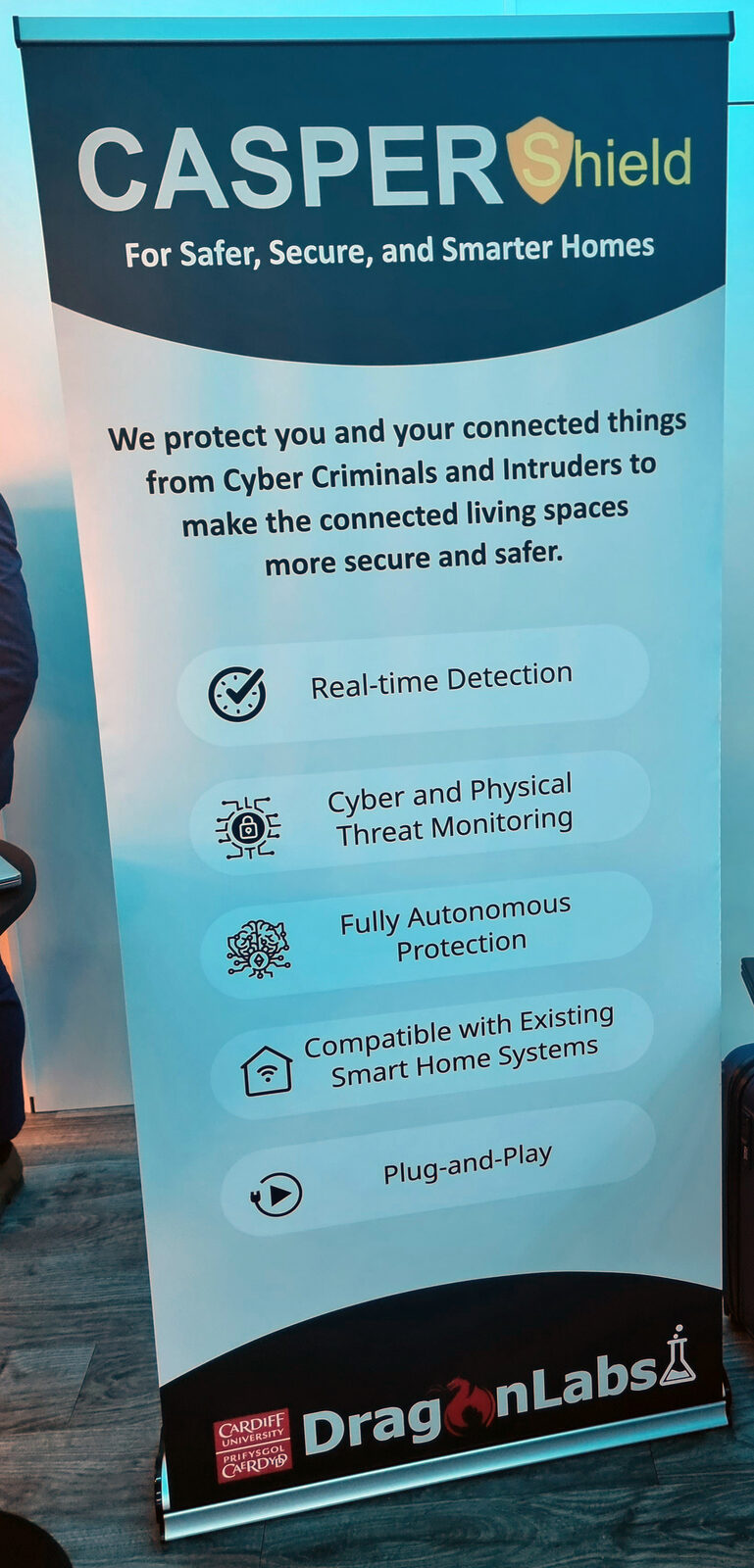
Cyber Academic Startup Accelerator Programme (CASPER Shield)
(2022-2022)
Cyber-Physical Detection
Network Traffic
Heterogeneous Data
Deep Learning
Energy Analytics
Internet of Things (IoT)
Infrastructure / Systems (IS)
Security (S)
Human Computer Interaction (HCI)
Project Overview
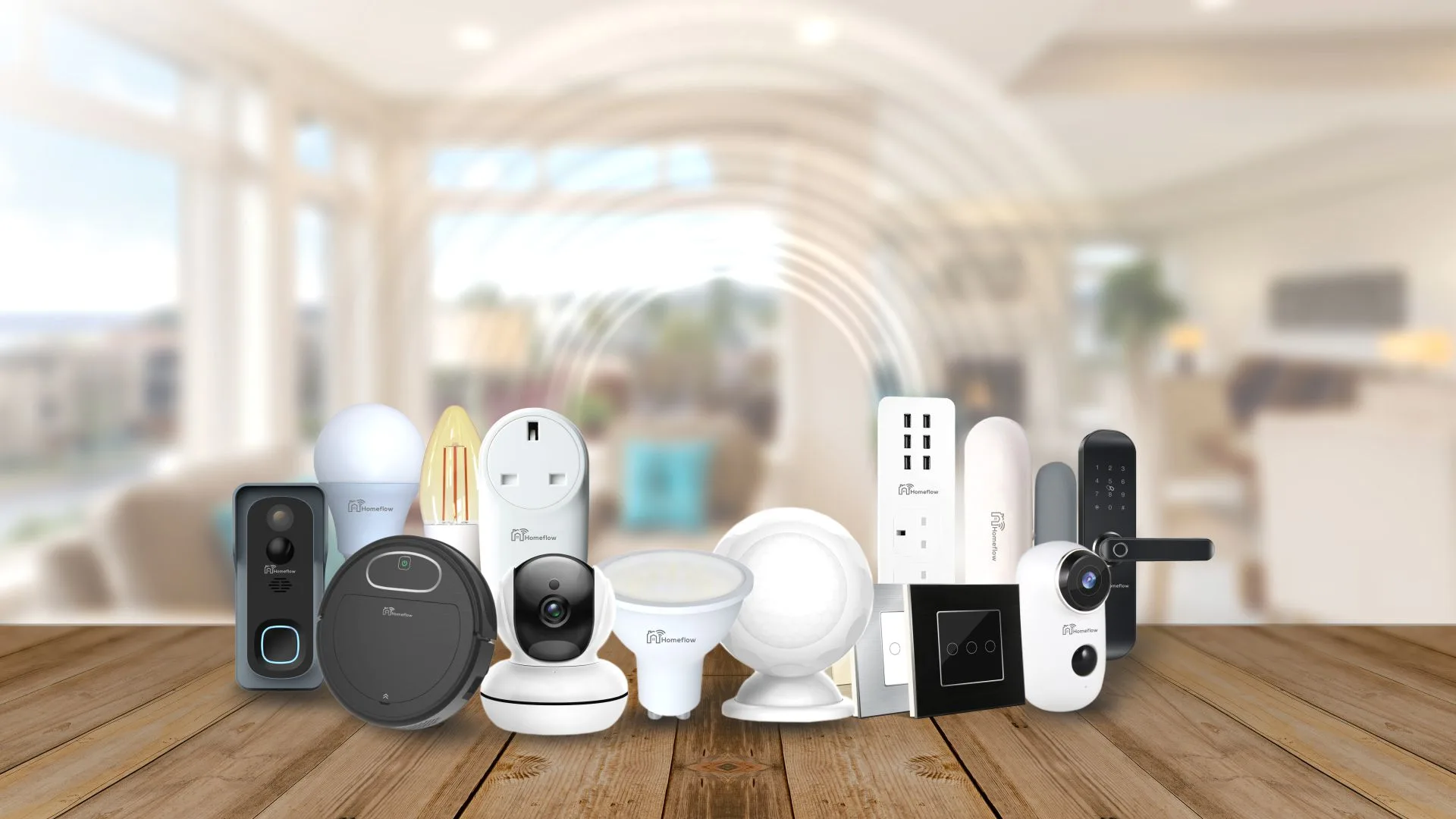
Smart built environments face mounting cybersecurity threats, with research documenting over 12,000 attack attempts weekly targeting smart home systems. Traditional Network Traffic Analysis struggles to detect sophisticated cyber-physical attacks that manipulate sensor data while simultaneously controlling connected devices. This programme addresses these vulnerabilities through a resilient cyber-physical anomaly detection framework that combines heterogeneous data streams, including independent sensor observations and energy consumption metrics, with network traffic analysis techniques. Through the UK Cyber Academic Startup Accelerator Programme (CyberASAP), funded by Innovate UK, the team translated prior CASPER research into a commercial product proposition called CASPER Shield. Working with partners from PETRAS, GCHQ, and the Building Research Establishment, the project co-designed demonstrations and validated market demand for resilient built-environment security analytics that protect both smart homes and commercial buildings.
The accelerator provided structured support for business model development, customer discovery, and technology demonstration. This enabled the transition from academic research outputs to a viable market offering that protects both smart homes and commercial buildings. The programme’s mentorship and industry engagement helped the team refine their value proposition and identify key market segments.
The resulting CASPER Shield framework integrates deep learning with multi-source data fusion to deliver continuous monitoring and early warning capabilities. Building operators and facility managers benefit from automated anomaly detection that correlates network traffic, sensor readings, and energy consumption data to identify threats that any single data source would miss.
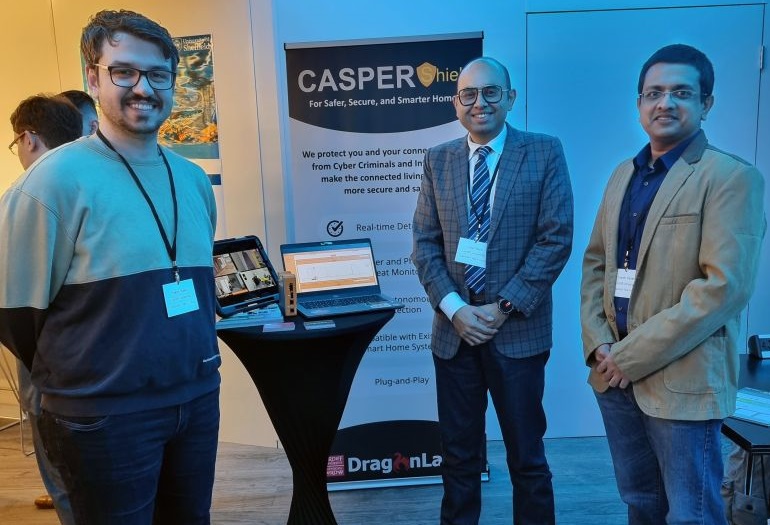
CyberASAP Photos



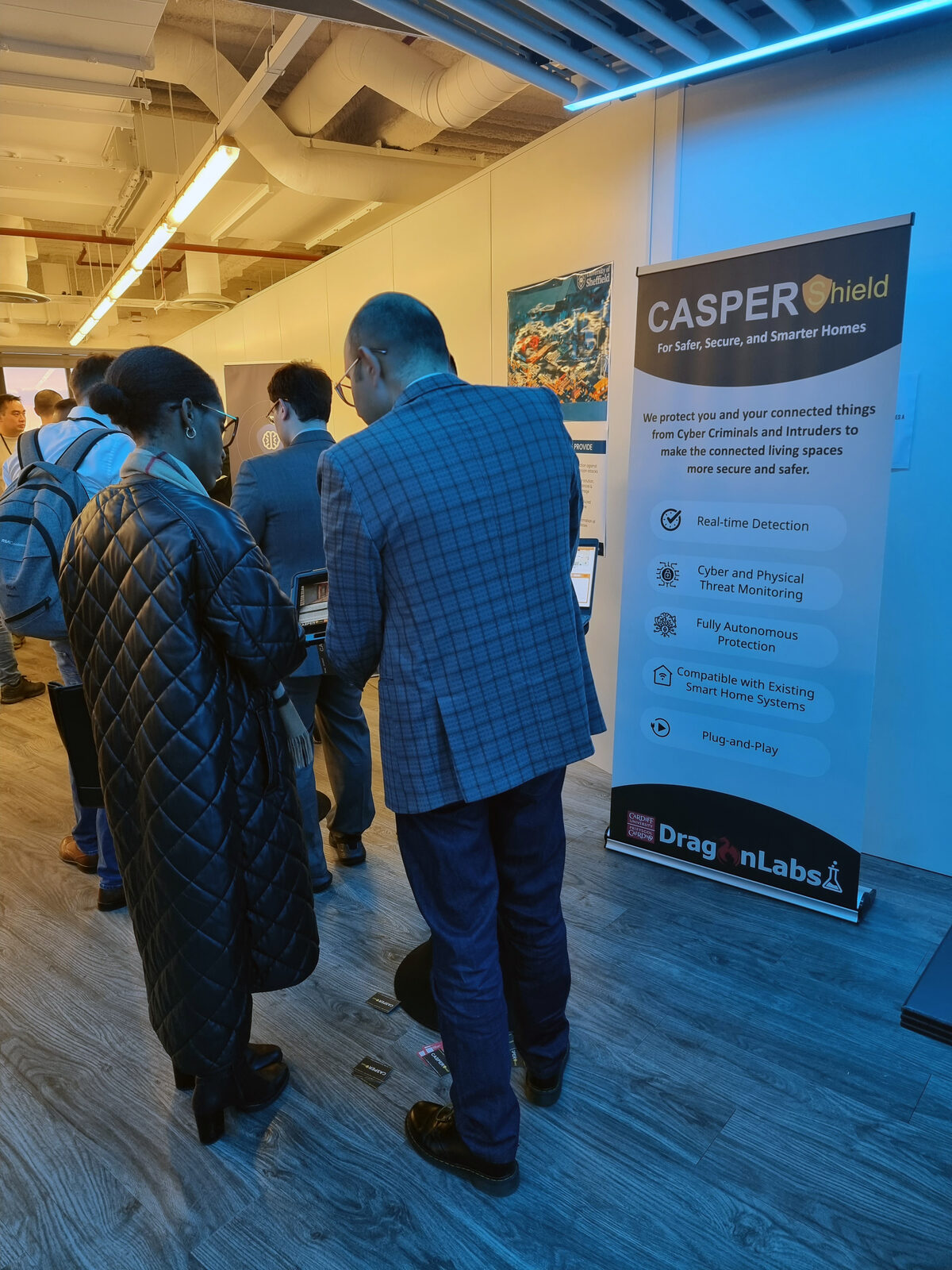

Demo Day Presentation
Team

Charith Perera

Yasar Majib

Hakan Kayan
Funding
Partners

PETRAS 2
National centre tackling privacy, trust, and security challenges in IoT.

Government Communications Headquarters (GCHQ)
Provides security assurance for critical systems across the UK.

Building Research Establishment (BRE)
Building science organisation enabling resilient smart environments.
Repositories
casper-shield-research
Private
2026
CasperShield: Cyber-Physical Behavioural Anomaly Detection in Smart Homes — Research Monorepo
casper-shield-app
Private
2026
CasperShield: Smart Home Security Mobile App (Flutter) + Simulator
smart-home-lab
Private
2025
Provides scripts to stream network and home automation data via Kafka, query Cassandra archives, Jupyter notebooks for PCAP and Home Assistant/OpenHAB analysis, and setup guides for building an IoT testbed with MQTT and data capture.
smarthome-activity-monitoring
Private
2025
Flask-based platform for smart home network activity monitoring. Captures packets via tshark and scapy, transforms flows with CICFlowMeter, and applies ML models to classify device states. Uses APScheduler for periodic capture, SQLAlchemy storage, and templated web dashboard.
Outcomes