EventCam.AI: Neuromorphic Low-Power Event-Camera Traps for Wildlife
Project Overview
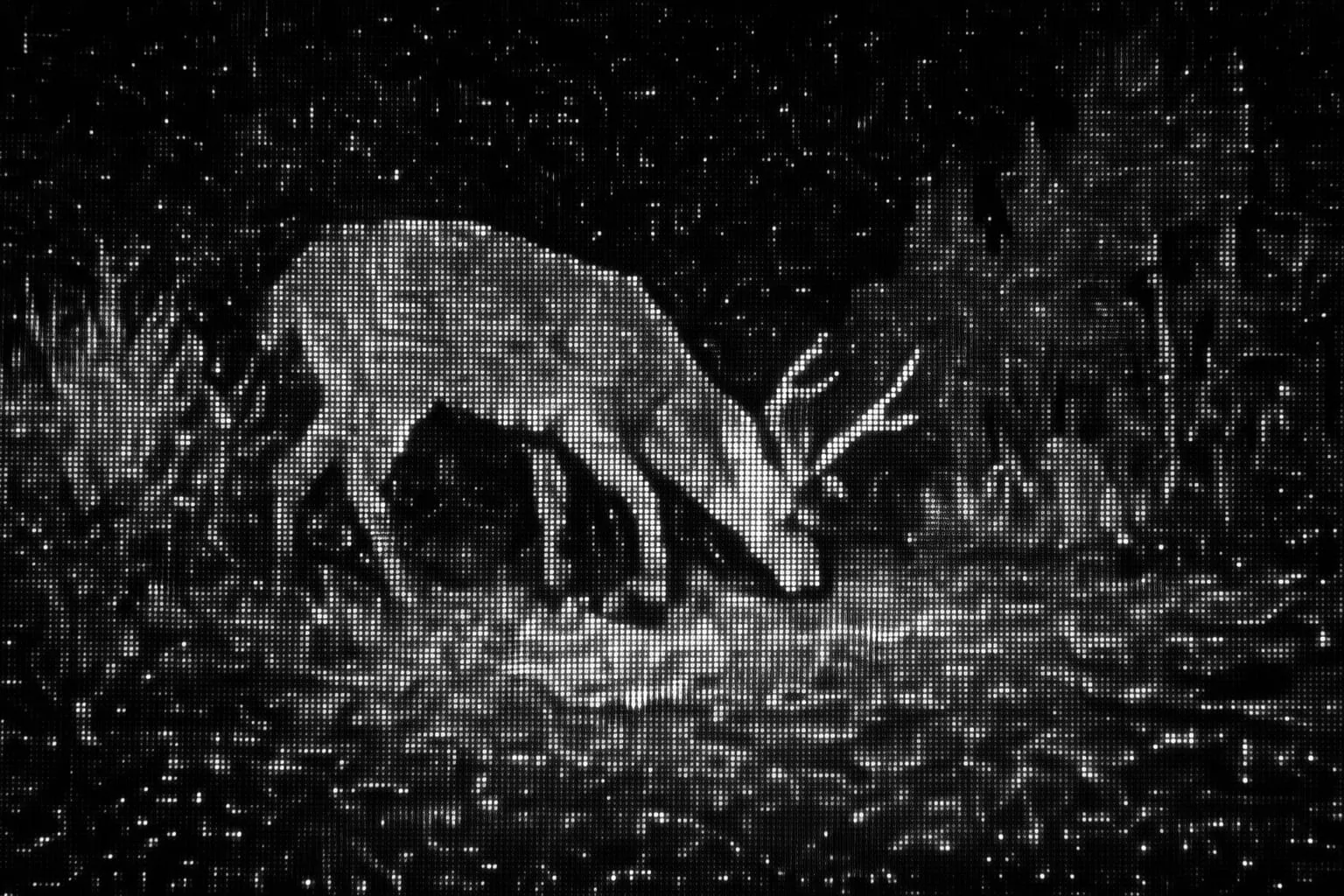
Building on the CamTrap.AI platform previously developed with the Danau Girang Field Centre (DGFC) in Sabah, Borneo, this project explores the potential of neuromorphic event-driven sensing for wildlife monitoring. The core output is a pipeline and toolkit that converts conventional camera trap videos and static images into synthetic event-camera representations, together with a dataset grounded in the wildlife domain. Event-driven cameras respond only to brightness changes in a scene, producing sparse data streams that offer inherent advantages in power consumption, storage, and performance under difficult lighting conditions. By generating synthetic event data from existing camera trap footage, the project enables investigation of these properties without requiring specialised hardware in the field.
The project builds on an extensive archive of camera trap imagery collected at DGFC and develops a conversion pipeline that transforms this conventional footage into event-camera data representations. The resulting toolkit and dataset provide a foundation for exploring how event-driven sensing could benefit wildlife monitoring workflows, from reducing false triggers caused by vegetation movement to enabling more efficient processing of large image collections.
Event-driven cameras differ fundamentally from conventional frame-based cameras in that they capture only changes in brightness rather than complete frames at fixed intervals. This property makes them well suited to monitoring scenarios where long periods of inactivity are punctuated by brief events of interest. The synthetic data generated by the pipeline allows researchers to study these characteristics using real wildlife scenarios drawn from the existing DGFC corpus.
The project is carried out in collaboration with the Danau Girang Field Centre, extending a long-standing partnership between Cardiff University and Malaysian conservation researchers. The toolkit, dataset, and associated documentation are designed to support further research into neuromorphic approaches to biodiversity monitoring.
Team